Wear Mapping
Translate wear locations and maintenance pain points into structured selection criteria so part choice starts with an operating picture instead of a product sheet alone.
We help teams assess wear patterns, compare options, and implement changeout strategies that fit actual plant constraints. The service model is built for operators who need clarity across maintenance, process, and purchasing decisions at the same time.
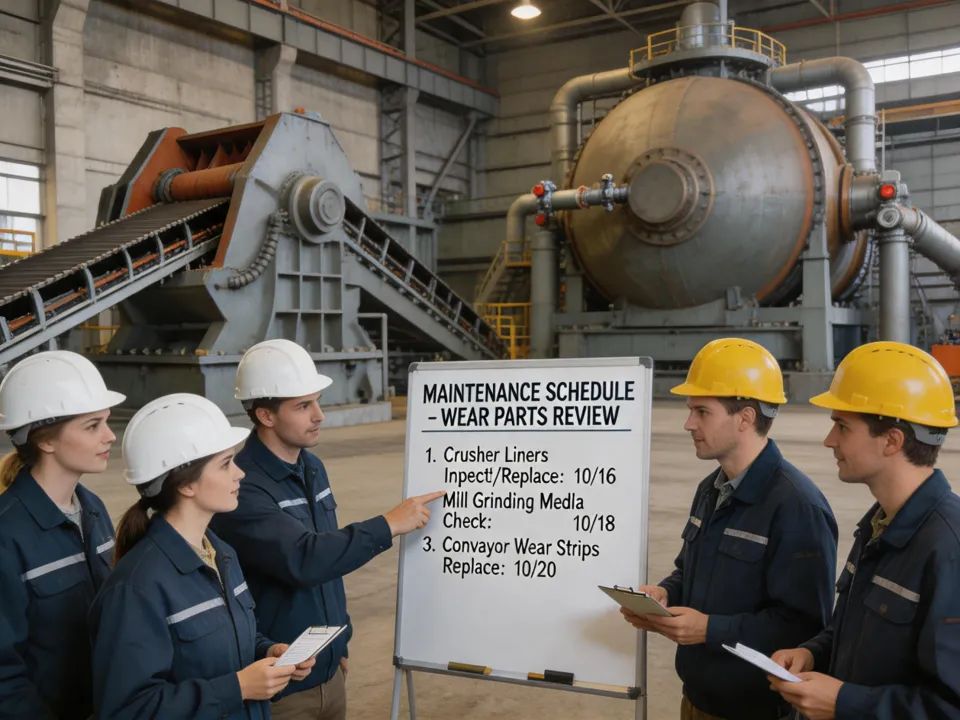
Translate wear locations and maintenance pain points into structured selection criteria so part choice starts with an operating picture instead of a product sheet alone.
Set up comparison windows for alloys, profiles, or media types without losing plant control. Trials are framed to produce usable learning, not extra disruption.
Connect parts decisions to shutdown planning, spares, and total process stability so the service conversation supports longer-term maintenance rhythm.
Bring maintenance, process, and procurement into one recommendation path with language each team can use to justify the next move.
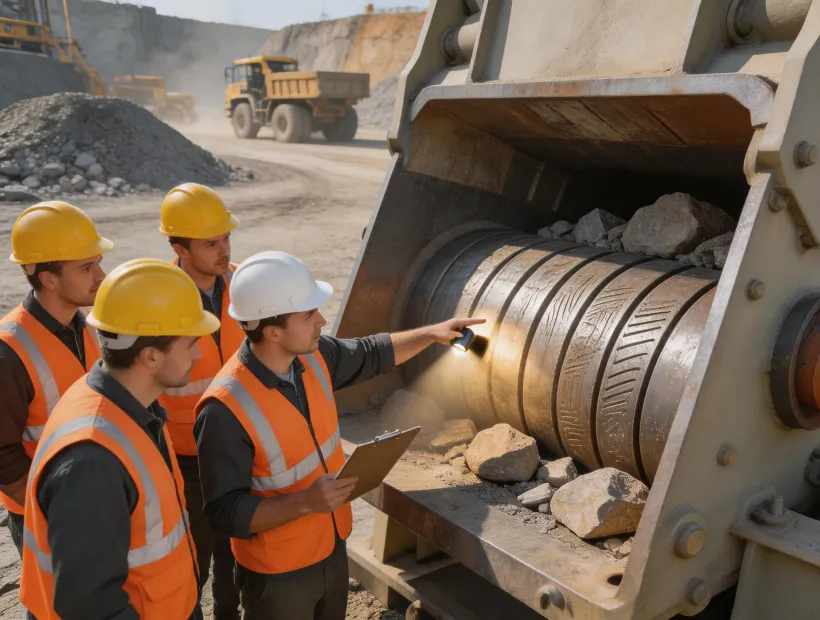
When a plant is experiencing uneven mantle life or difficult changeouts, the first step is rarely to jump straight to a harder material. We review feed behavior, target output, labor access, and the real cost of an extra stoppage before narrowing the wear path. That process helps operators avoid overspending on theoretical performance while still improving stability where it matters most.
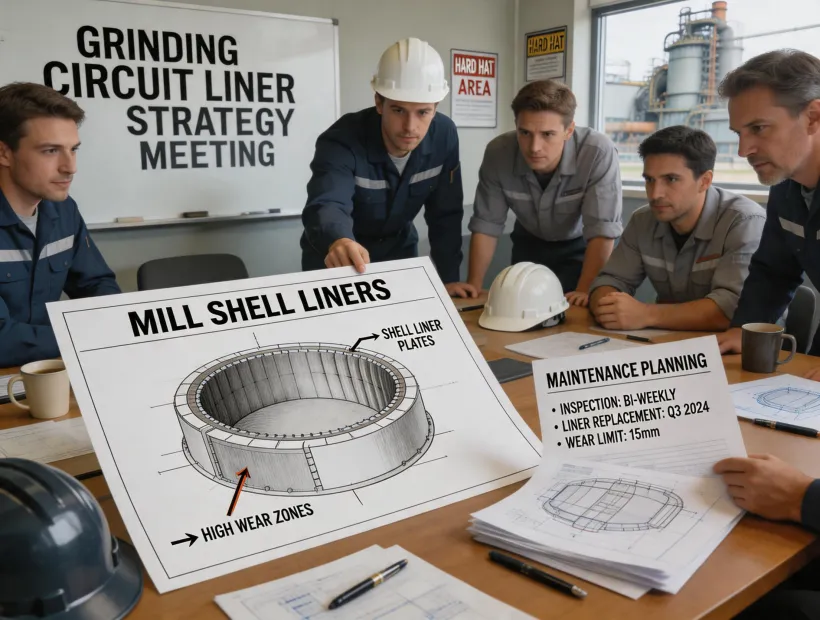
Mill liner advisory work is most useful when it connects liner geometry and campaign life to the practical shutdown structure of the site. We help teams compare whether a longer run, a simpler relining event, or a more stable grinding profile will create the most value for the operation over the next maintenance cycle.
Some plants need longer life. Some need easier changeouts. Some need a recommendation that lets different internal teams agree on one answer. That is why our service model stays rooted in explanation, comparison, and follow-through.
Share plant stage, maintenance window, and the result you want to improve so our team can respond with a practical next step.
Service planning is grounded in documented envelopes rather than aspirational promises. The parameters below reflect the typical duty range we engineer against; duty outside these bands triggers a dedicated engineering review rather than a rushed commitment.
Spare parts dispatched within 48 hours for stocked items across a 250 – 1,500 kW engine range and 500 – 2,000 t/h throughput envelope. Custom wear parts and impellers: 6 – 14 weeks depending on metallurgy. Emergency site support mobilised within 72 hours for contracts with service-level commitment.
ISO 9001 quality management, ISO 14001 environmental, and ISO 45001 occupational health & safety form the base. Additional regulatory routes supported per duty: ATEX 2014/34/EU and IECEx for hazardous area equipment, MSHA for North American mining, CE Marking under Machinery Directive 2006/42/EC, API Spec Q1 for upstream oil & gas, and ASME VIII for pressure vessels.
On-site service is not suitable for classified Zone 0 atmospheres without prior permit-to-work coordination. Remote assistance requires minimum 4G/LTE coverage; offline sites rely on scheduled site visits. Warranty applies to OEM-specified components only; third-party aftermarket parts not qualified under ASME VIII or API Spec Q1 are excluded from pressure-containing duty warranty.